
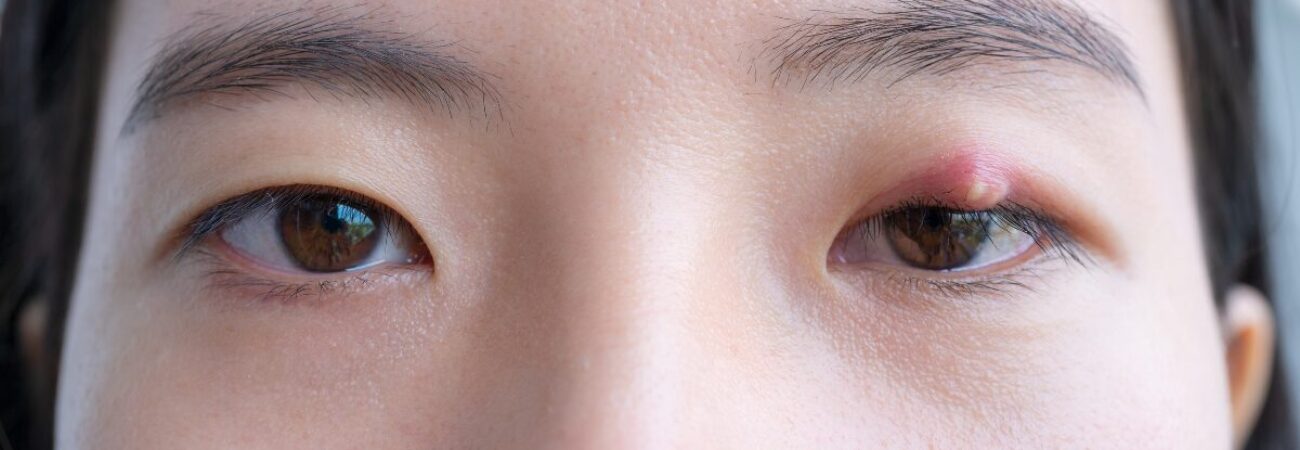
That small red lump on your eyelid can appear out of nowhere. One day everything feels fine, the next your eye is sore, swollen and impossible to ignore. If that sounds familiar, you’ve most likely dealt with styes.
Styes are one of the most common eyelid complaints we see at eyeSelect, and while they’re usually harmless, they can be uncomfortable and stubborn. Understanding what causes styes, how to identify them and when to seek help can make a real difference to how quickly you recover.
What Are Styes?
A stye, also known as a hordeolum, is a small, painful lump that forms on or inside the eyelid. It develops when a hair follicle or oil gland at the eyelid margin becomes blocked and then infected, usually by bacteria naturally found on the skin.
Styes are more than just a cosmetic annoyance. They can make blinking uncomfortable, cause localised swelling and occasionally affect your vision if the lump becomes large enough. Most cases are temporary and clear up with simple home care, though some do need professional treatment.
How Do Styes Form?
Your eyelids contain tiny oil glands called meibomian glands, as well as follicles at the base of each eyelash. These structures secrete oils that keep the surface of your eye lubricated and protected. When one of these glands or follicles becomes clogged with oil, dead skin cells or debris, it creates the perfect environment for bacteria to multiply.
The most common culprit is Staphylococcus aureus, a type of bacteria that lives harmlessly on your skin most of the time. When it enters a blocked gland, your body’s immune response kicks in, causing the redness, swelling and tenderness characteristic of a stye.
This process is similar to how a pimple forms on the skin, which is why styes are sometimes described as eyelid pimples, though they are a distinct medical condition caused by a bacterial infection.
Types of Styes
There are two main types of styes. Knowing which type you have can help guide the right approach to treatment.
1. External Stye
An external stye forms on the outer edge of the eyelid at the base of an eyelash. It results from a bacterial infection of the lash follicle and is the most common type. External styes typically look like a red, raised bump along the lash line, similar to a small pimple. They often come to a head, drain naturally and resolve within one to two weeks.
2. Internal Stye
An internal stye develops deeper inside the eyelid, caused by infection of a meibomian gland beneath the inner lining of the lid. Because it forms within the lid tissue rather than on the surface, internal styes can be harder to see and may feel more uncomfortable. They sometimes take longer to resolve and may require professional drainage if home treatment isn’t working.
Signs You Have a Stye
Not everyone recognises a stye straight away. Here are the most common signs to look out for:
1. A Red, Tender Lump on the Eyelid
The most obvious sign is a small, localised bump on the upper or lower eyelid. It is usually red, warm to the touch and painful when pressed. This is a direct response to the bacterial infection in the affected gland.
2. Eyelid Swelling
Swelling around the stye is common and can sometimes extend beyond the immediate area of the bump. If the swelling spreads significantly beyond the eyelid, seek medical attention promptly.
3. A Gritty or Foreign Body Sensation
You may feel as though something is stuck in your eye, even when nothing is there. This sensation is caused by the swelling or discharge from the stye irritating the eye’s surface.
4. Eye Discharge or Crusty Eyelids
A stye can produce a yellow or white discharge. You may notice your lashes feel sticky or your eyelid is difficult to open after sleeping. This kind of buildup is similar to what’s associated with gunky eyes and can indicate an active infection.
5. Sensitivity to Light
Inflammation around the eye can cause increased sensitivity to bright light or sunlight, which typically eases as the stye heals.
6. Itchiness
Some people notice itching alongside the usual pain and tenderness, particularly in the early stages as the stye is forming.
7. A Visible Pus-Filled Centre
As the stye matures, a yellow or white spot may appear at the centre of the lump. This indicates pus building up close to the surface. The stye may drain on its own at this stage. Never squeeze or pop it yourself, as this risks spreading the infection.
Concerned about an eyelid lump or recurring styes? The team at EyeSelect can help you get the right diagnosis and treatment. Book an appointment at our Browns Plains or Forest Lake clinic today.
What Causes Styes?
According to healthdirect.gov.au, styes are generally caused by a bacterial infection of an eyelash follicle, with Staphylococcus aureus being the most frequently involved bacteria. The infection typically begins when a blocked gland provides the right conditions for bacteria to multiply.
Several factors can increase your risk:
- Poor hand hygiene: touching or rubbing your eyes with unwashed hands is one of the most direct ways bacteria reach the eyelid
- Wearing contact lenses: improper handling, infrequent replacement or failing to clean lenses and cases correctly can allow bacteria to accumulate around the eye
- Sharing eye makeup: mascara, eyeliner or eyeshadow can transfer bacteria to the eyelid area
- Leaving eye makeup on overnight: this can block eyelid glands and promote bacterial growth
- Using expired cosmetics: old eye makeup is a common source of bacterial contamination
- Blepharitis: chronic inflammation of the eyelid margins disrupts normal gland function and increases stye risk significantly
- Rosacea: people with rosacea tend to have more disrupted skin flora and oil gland function, raising the likelihood of styes
- Diabetes: elevated blood sugar levels can impair the immune response, making infections including styes more likely
Can Stress Cause Styes?
This is one of the questions we hear most at eyeSelect. Stress itself doesn’t directly infect an oil gland, but it does suppress the immune system. A weakened immune response makes it harder for your body to keep bacterial populations in check. This is why styes and other minor infections often seem to flare up during periods of illness, fatigue or sustained stress. So while stress isn’t a direct cause, it can absolutely be a contributing factor.
Why Do I Keep Getting Styes?
Recurrent styes are a sign that something underlying may need attention. If you’re experiencing stye after stye, consider these possible reasons:
- You may have undiagnosed or undertreated blepharitis, which creates chronic inflammation of the eyelid margins that predisposes you to styes
- Your eye makeup routine may be the issue, particularly if products are shared, old or not removed before bed
- Contact lens hygiene may need a review
- An underlying health condition such as diabetes or rosacea may be making you more susceptible
- The bacteria around your eyelids may have become resistant to the bacteria-controlling mechanisms your body normally relies on
If styes keep coming back, it’s time to speak with your optometrist rather than managing each one individually. Identifying and treating the root cause is far more effective than dealing with each stye in isolation.
Stye vs. Chalazion: What’s the Difference?
Styes are frequently confused with chalazia (plural of chalazion), another type of eyelid lump. While they can look similar and even develop from the same glands, there are key differences.
| Stye (Hordeolum) | Chalazion | |
| Cause | Bacterial infection of a gland or follicle | Blocked (non-infected) meibomian gland |
| Pain | Painful, tender and warm | Usually painless |
| Location | Near the lash line or eyelid edge | Further from the lash line, within the lid |
| Duration | Typically 1-2 weeks | Can persist for weeks to months |
| Onset | Develops quickly | Develops gradually |
| Treatment | Warm compresses; antibiotics if needed | Warm compresses; may need steroid injection or drainage |
A stye that doesn’t drain and resolve sometimes evolves into a chalazion over time. If your eyelid lump is firm, painless and has been present for more than a few weeks, it may have progressed to a chalazion. Your optometrist can confirm the difference and advise on the right management approach.
How to Treat a Stye
The good news is that most styes respond well to simple home care. The key is consistency.
Home Treatment
- Warm compress: This is the most effective and widely recommended first-line treatment. Apply a clean, warm (not hot) flannel or cloth to your closed eyelid for 10-15 minutes, three to four times a day. The warmth softens the blocked material and encourages the stye to drain naturally. According to healthdirect.gov.au, you can apply a warm compress up to 20 times a day if needed.
- Keep the area clean: Gently wipe the eyelid margin with a clean cloth or commercially available eyelid wipes. Avoid rubbing.
- Avoid makeup: Do not apply eye makeup to or around the affected eye until the stye has fully resolved. Discard any products that may have been used near the affected area.
- Take out your contact lenses: Switch to glasses while the stye is active. Lenses can increase irritation and introduce additional bacteria.
- Don’t squeeze or pop: This is the most important rule. Squeezing a stye can spread the infection into surrounding tissue and significantly worsen the situation.
When Antibiotics May Be Needed
According to Australian health guidance, antibiotics are not routinely required for most uncomplicated styes. However, your optometrist or GP may prescribe a topical antibiotic ointment or drops if the stye is persistent, discharging heavily or showing signs of spreading. Oral antibiotics are sometimes needed if the infection begins to spread beyond the eyelid itself.
Home treatment not working? If your stye hasn’t improved after a few days or is getting worse, don’t wait it out. Book an appointment with the team at EyeSelect for a professional assessment.
When to See an Optometrist for a Stye
Most styes resolve on their own within one to two weeks. However, you should seek professional care if:
- The stye has not improved after 48-72 hours of warm compress treatment
- The redness or swelling is spreading beyond the eyelid to the surrounding skin
- You notice fever, chills or feel generally unwell alongside the eyelid symptoms (these can indicate cellulitis, a serious infection that requires urgent treatment)
- Your vision is affected in any way
- The stye is very large, extremely painful or preventing your eye from opening properly
- You have had multiple styes in a short period of time
- You’re unsure whether what you have is a stye, a chalazion or something else entirely
Cellulitis of the eyelid is a rare but serious complication of untreated styes. According to healthdirect.gov.au, it should be treated as a medical emergency if redness and swelling begin to spread beyond the eyelid, particularly if accompanied by fever or general illness.
If you’re also noticing symptoms like redness, discharge or general eye discomfort separate from the stye itself, this could point to a broader infection such as sore eyes, which is worth discussing with your optometrist in the same visit.
How to Prevent Styes
Styes can’t always be prevented, but consistent hygiene habits go a long way in reducing your risk:
- Wash your hands before touching your eyes, applying makeup or handling contact lenses
- Remove all eye makeup thoroughly before going to sleep
- Replace mascara, eyeliner and eyeshadow every two to three months
- Never share eye makeup, towels or pillowcases with others
- Follow your optometrist’s advice on contact lens care and replacement schedules
- If you have blepharitis or rosacea, stay on top of your prescribed management routine
- Avoid rubbing your eyes, particularly with unwashed hands
Are Styes Contagious?
A stye itself is not contagious in the way that pink eye or a cold is. However, the bacteria responsible for causing styes can spread through shared personal items, direct eye contact or touching one eye and then the other with unwashed hands. For a full breakdown of how styes can and can’t spread, including what this means for your household and whether children need to stay home from school, read our dedicated guide: Are Styes Contagious?
Frequently Asked Questions About Styes
What triggers a stye?
Styes are triggered when bacteria, most commonly Staphylococcus aureus, infect a blocked oil gland or eyelash follicle. Poor hand hygiene, old eye makeup, contact lens misuse, blepharitis and conditions like rosacea or diabetes are among the most common triggers.
How do you get rid of a stye quickly?
The most effective approach is applying a warm compress to the closed eyelid for 10-15 minutes, three to four times a day. This softens the blockage and encourages natural drainage. Avoid squeezing or popping the stye, as this can worsen and spread the infection.
What is the best medicine for a stye?
Most styes do not need medication. A warm compress is the recommended first-line treatment. If a stye is persistent or shows signs of spreading, a topical antibiotic ointment may be prescribed by your optometrist or GP. Oral antibiotics are occasionally needed for more serious cases.
How long do styes last?
Most styes resolve on their own within one to two weeks with regular warm compresses and good hygiene. In some cases (particularly internal styes or those that develop into chalazia) the lump may persist for several weeks to months without treatment. Healthdirect.gov.au notes it can take up to six months for a lump to disappear completely in some cases.
Are styes itchy?
Yes, some styes cause itching, particularly in the early stages as the gland becomes inflamed. The itching is caused by the surrounding inflammation and minor discharge from the infected area. Try to avoid rubbing the eye, as this can spread bacteria and worsen symptoms.
Can stress cause styes?
Stress doesn’t directly infect an eyelid gland, but it can weaken the immune system. A suppressed immune response makes it easier for bacterial infections like styes to take hold, particularly if other risk factors are present.
Can I go to work or school with a stye?
Yes. Styes are not contagious like conjunctivitis, so there is no need to stay away from work or school. Maintain good hand hygiene and avoid touching your eyes throughout the day.
Can children get styes?
Yes, children can develop styes for the same reasons adults do. They may be at higher risk simply because they’re more likely to rub their eyes. If your child’s stye doesn’t improve within a few days, or if they’re in significant discomfort, have them assessed by an optometrist.
eyeSelect Is Here for Your Eye Health
Styes are common, uncomfortable and best dealt with promptly. Whether it’s your first stye or you keep getting them back to back, the answer lies in understanding what’s driving the infection and taking the right steps to manage it.
If home treatment isn’t working, your symptoms are worsening, or styes are becoming a recurring problem, the team at EyeSelect is here to help.
Book an appointment at EyeSelect today. Our optometrists at Browns Plains (07 3800 8700) and Forest Lake (07 3278 7341) offer thorough eye assessments and practical guidance for conditions just like this. Book online now.