
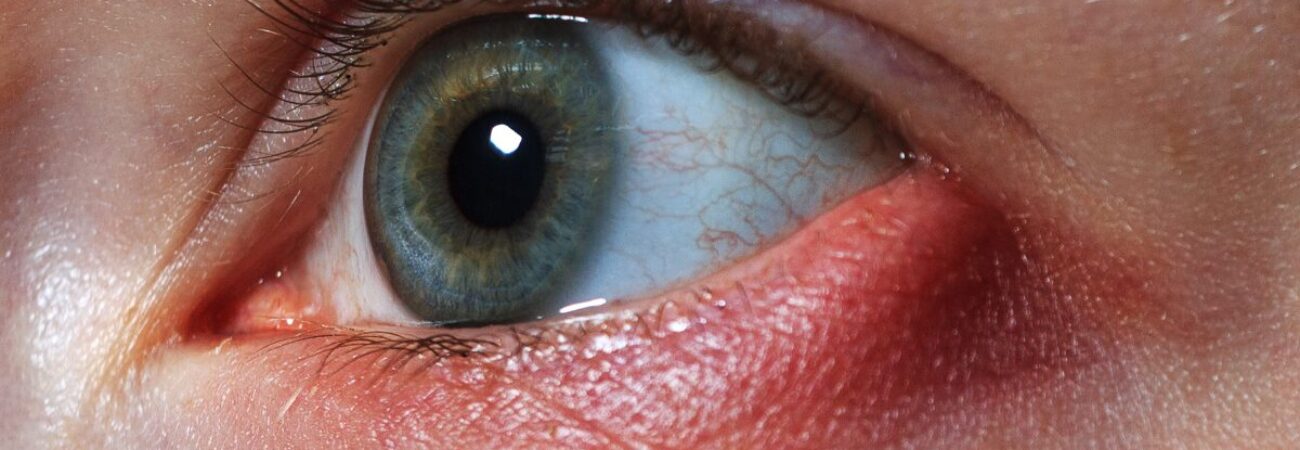
You wake up and notice a red, tender lump on your eyelid. Sound familiar? Eye styes are more common than you’d think, and one of the first things people want to know is: are styes contagious?
The short answer is no, not in the way a cold or pink eye is. But the full picture is a little more nuanced than a simple yes or no. In this guide, we’ll focus specifically on the question of transmission: how styes spread, when bacterial transfer is possible and what you can do to protect yourself and the people around you.
If you’re looking for a complete overview of stye symptoms, causes and treatment, start with our main guide: Styes: Causes, Symptoms and How to Treat Them.
Are Styes Contagious?
According to the American Academy of Ophthalmology (AAO), styes are not contagious in the traditional sense. You cannot “catch” a stye from another person simply by being around them. A stye is a localised infection of the eyelid’s oil-producing glands, not a viral illness that passes between people like the flu or sore eyes.
However, it’s not entirely black-and-white. The bacteria responsible for styes, most often Staphylococcus aureus, can be transferred through direct or indirect contact. So while the stye itself doesn’t spread the way conjunctivitis does, the underlying bacteria can be passed on under certain conditions.
Think of it this way: the stye isn’t contagious, but the bacteria causing it can be. This is why good hygiene remains important even though styes aren’t classified as a contagious condition.
Can a Stye Spread From One Eye to the Other?
Yes, this is possible. If you touch or rub your affected eye and then touch your other eye with unwashed hands, bacteria can transfer across. This is one of the most common ways people end up with styes in both eyes.
To reduce this risk:
- Wash your hands thoroughly before and after any contact with the affected eye
- Avoid rubbing your eyes while you have a stye
- Use a separate, clean cloth for each eye when applying warm compresses
- If using any eye drops or ointments, be careful not to let the applicator tip contact the infected eye and then the other
Can Styes Spread to Other People?
While rare, bacterial transfer between people is possible through shared personal items. Using the same towels, pillowcases, washcloths or eye makeup as someone who has a stye creates a pathway for the bacteria, even if it doesn’t guarantee the other person will develop one. Whether that bacteria leads to a stye depends on the individual’s skin, immune system and whether their eyelid glands are already predisposed to blockages.
The risk of spreading a stye through casual contact, such as talking to someone or being in the same room, is negligible. Transmission requires physical contact with the infected area or items that have been in contact with it.
Are Styes Contagious Through Makeup?
Yes, and this is one of the more common transmission routes. Sharing mascara, eyeliner or eyeshadow can transfer Staphylococcus aureus bacteria directly to the eyelid area of another person. The same applies to makeup brushes and applicators that have touched the infected eye.
Expired makeup is also a risk factor even without being shared. Cosmetics that are past their use-by date can harbour bacteria regardless of whether they’ve ever been used by anyone else. As a general rule:
- Replace mascara and liquid eyeliner every two to three months
- Never share eye makeup, brushes or applicators with others
- Discard all eye makeup that was in use during an active stye infection (even after the stye has healed, products can remain contaminated)
Worried about an eyelid lump or recurring eye infections? Our optometrists at eyeSelect can help you get the right diagnosis. Book an appointment at our Browns Plains or Forest Lake clinic.
Stye vs. Pink Eye: How Are They Different?
This comparison comes up often because both conditions affect the eye area and both involve bacteria in many cases. However, they are very different in terms of transmission and contagiousness.
| Stye | Pink Eye (Bacterial Conjunctivitis) | |
| What it is | Localised infection of an eyelid gland or follicle | Infection or inflammation of the conjunctiva (clear membrane over the white of the eye) |
| Contagious? | No, not in the traditional sense | Yes, highly contagious |
| How it spreads | Bacteria can spread via shared items or eye-to-eye touch | Spreads easily through close contact, touching the eye and shared surfaces |
| Isolation needed? | No | Often recommended, especially for children in school or childcare |
| Discharge | Localised to the lump; may crust at the lash line | Widespread watery, yellow or green discharge across the eye |
| Appearance | Raised bump on the eyelid | Generalised redness and discharge across the white of the eye |
The key distinction is that sore eyes (conjunctivitis) is a communicable illness, while a stye is a localised gland infection. You can be in the same household as someone with a stye without any special precautions beyond basic hygiene. The same is not true for conjunctivitis.
How Long Are Styes Contagious?
Because styes aren’t contagious in the clinical sense, there is no defined period of isolation. The more relevant question is: how long can the bacteria responsible spread to others?
The risk of bacterial transfer exists for as long as the stye is active and producing discharge. Once the stye has fully healed and there is no visible discharge or crusting, the risk effectively disappears. For most external styes, this means the concern is limited to the first one to two weeks while the stye is present and draining. Internal styes may take longer to resolve.
The practical takeaway: maintain hygiene precautions (no shared towels, no shared makeup, hand washing) for the duration of the stye, and resume normal habits once it has healed completely.
Are Styes Contagious to Babies and Children?
Parents understandably worry when a child develops a stye, or when they have a stye themselves and are caring for a young child. The same principles apply: the stye itself isn’t directly passed from person to person, but the bacteria responsible can transfer through unwashed hands or shared items.
Babies and young children may be at slightly higher risk of picking up bacteria simply because they have less control over where their hands go, and caregivers are frequently touching their faces. Good hand hygiene, avoiding touching your eye and then the child’s face, and keeping personal items separate are the most important precautions.
Children with styes generally do not need to stay home from school or childcare. Unlike conjunctivitis, a stye does not warrant exclusion under standard Australian school health guidelines. If in doubt, check with your child’s school or speak to your GP.
If your child’s stye doesn’t improve within a few days, or is causing significant discomfort, have them seen by an optometrist.
How to Reduce the Risk of Spreading a Stye
You don’t need to isolate with a stye, but a few simple habits significantly reduce the chance of bacterial spread:
- Wash your hands before and after any contact with the affected eye
- Avoid touching or rubbing your eyes, particularly with unwashed hands
- Use separate towels and washcloths from other household members while the stye is active
- Don’t share pillowcases. Change yours daily if possible
- Stop wearing eye makeup until the stye has fully resolved, and discard any products that were in contact with the infected eye
- Avoid contact lenses while the stye is active and clean the case thoroughly before resuming use
Is your stye not going away or coming back repeatedly? Let the EyeSelect team take a look. Book your appointment online today.
When to See an Optometrist for a Stye
Most styes clear up with warm compresses and basic hygiene within one to two weeks. However, seek professional care if:
- The stye has not improved after 48-72 hours of warm compress treatment
- Redness or swelling is spreading beyond the eyelid
- You feel feverish or generally unwell alongside the eyelid symptoms
- Your vision is affected
- Styes keep recurring. This may point to an underlying condition like blepharitis or rosacea that needs managing
For a full guide to stye treatment and when to escalate care, see Styes: Causes, Symptoms and How to Treat Them.
Frequently Asked Questions About Styes
Are styes contagious like pink eye?
No. Pink eye (conjunctivitis) caused by a virus or bacteria is highly contagious and spreads easily through close contact. Styes are a localised infection of the eyelid’s oil glands and are not classified as contagious. The bacteria causing a stye can potentially transfer through shared items or eye-to-eye contact, but this is not the same as the disease-level contagiousness of conjunctivitis.
Can I wear contact lenses with a stye?
Yes. A stye is not a notifiable or contagious condition, so there is no requirement to stay away from work or school. Maintain good hand hygiene and avoid sharing personal items with others throughout the day.
How long are styes contagious?
Styes are not contagious in the traditional sense. However, the bacteria causing them can spread while the stye is active and discharging. Once healed (typically within one to two weeks), the risk of bacterial transfer effectively disappears.
Should I wear makeup with a stye?
No. Applying makeup around an active stye can worsen the infection, delay healing and contaminate your products. Wait until the stye has fully resolved before resuming eye makeup use, and discard any products that were in contact with the infected area.
Can a stye spread to my other eye?
Yes, this is possible if you touch the infected eye and then your other eye without washing your hands in between. Using separate cloths for each eye when applying warm compresses and avoiding rubbing your eyes are the most effective ways to prevent this.
Are styes contagious to newborns?
The same general principles apply. The bacteria responsible can transfer through direct contact or shared items. Caregivers of newborns should be particularly careful about hand hygiene if they have an active stye, and avoid touching the baby’s face after touching the infected eye.
Can I give my partner a stye?
Not in the way you’d pass on a cold or virus. The bacteria responsible can transfer via direct contact with the infected area or shared personal items like towels or pillowcases. Maintaining basic hygiene precautions during an active stye is sufficient for most households.
eyeSelect Cares for Your Eye Health
Styes are uncomfortable, sometimes alarming, but in the vast majority of cases they’re manageable and temporary. While eye styes are not contagious in the traditional sense, practising good hygiene and avoiding shared personal items remains important for protecting yourself and those around you.
If your stye is not improving, is recurring, or is accompanied by changes to your vision, don’t put off getting it looked at. Whether you’re dealing with a stye, gunky eyes or any other eye concern, the experienced team at eyeSelect is ready to help.
Ready to Get Your Eyes Checked?
Visit us at our Browns Plains (07 3800 8700) or Forest Lake (07 3278 7341) clinics, or book an appointment with eyeSelect online today.